
Best Morocco Itineraries for Seniors: A 2026–27 Guide
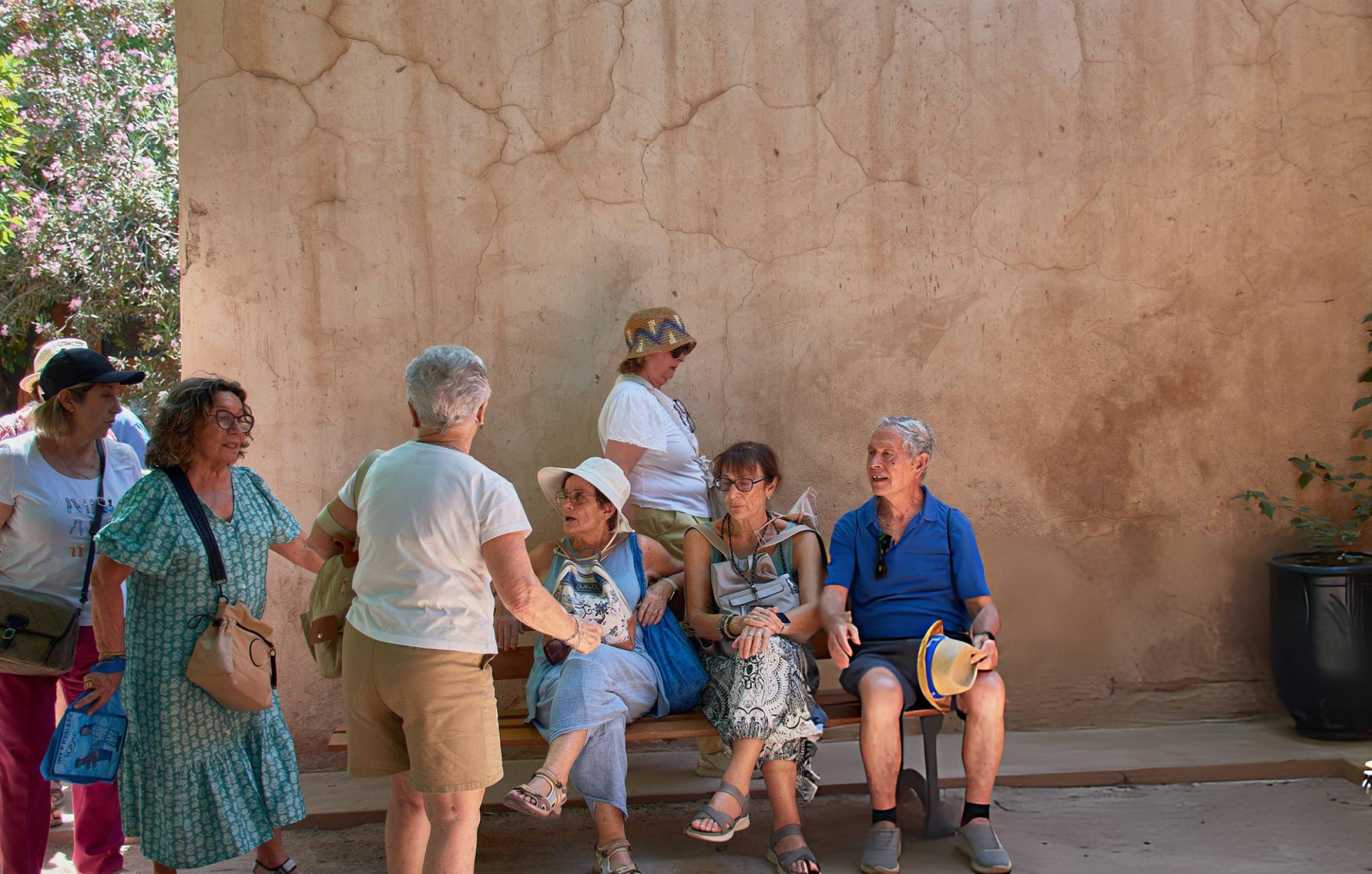
Not every Morocco itinerary suits every traveler, and that's especially true for seniors. The route that works brilliantly for a 25-year-old backpacker — multi-day treks, six one-night stops, a 5am dune sunrise hike — can turn a dream trip into an exhausting one for someone who just wants to actually enjoy the country. Morocco itself is no niche destination for older travelers to worry about: it has had the highest number of tourist arrivals of any African country since 2013, with a well-established tourism infrastructure to match. This guide covers what makes an itinerary genuinely senior-friendly, how the popular durations compare, and which routes tend to work best.
For most senior travelers, a private 10 to 14-day Morocco itinerary offers the best balance: enough time to see the Atlas Mountains, the Sahara, and at least one imperial city, without the back-to-back one-night stops that make longer group routes exhausting. What matters more than trip length is the details — private transport with regular rest stops, ground-floor or elevator rooms, an ensuite desert camp instead of a shared one, and a driver-guide willing to adjust the pace rather than a fixed schedule.
What Actually Makes an Itinerary Senior-Friendly?
It isn't about avoiding Morocco's highlights. It's about how they're delivered. The same Sahara sunset, the same Fes medina, the same mountain pass can be a highlight or an ordeal depending on a handful of details:
- Private transport, not a shared minibus. A private vehicle with regular rest stops means no waiting on strangers and no rushed toilet breaks on long drives.
- Realistic daily driving. Under four hours of driving on most days, with the occasional longer transfer broken up by stops, rather than six-hour hauls back to back.
- An ensuite desert camp. A short camel ride or 4WD transfer into the dunes, then a proper bed and a private bathroom — not a multi-hour trek and a shared tent.
- Ground-floor rooms where needed. Many historic riads have narrow stairs, since they were built long before modern accessibility standards. Worth flagging before booking, not after arrival.
- A flexible pace. Room for a slower morning, an extra night somewhere you loved, or skipping a stop that doesn't interest you.
Choosing Your Duration
Longer isn't automatically better for senior travelers — it depends on how the days are paced. Here's how the common durations compare.
| Duration | Best For | What to Expect |
|---|---|---|
| 7 days | A first, gentler introduction | Marrakech plus one region (usually the Sahara or the coast), without cramming in imperial cities too. |
| 10–12 days | Most senior travelers | Marrakech, the Atlas, one night at an ensuite desert camp, and one or two imperial cities at an unhurried pace. |
| 14 days | A full first trip to Morocco | Adds the coast or the north (Chefchaouen, Rabat) without needing back-to-back one-night stops. |
| 17–21 days | Return visitors or those with time to spare | Covers nearly everything, but works best with rest days built in every 4–5 days rather than constant movement. |
Based on Morocco Meander's private senior itineraries; exact pacing varies by route and traveler preference.
Senior-Friendly Itineraries Worth Comparing
These are real, bookable routes built with a relaxed pace in mind rather than a packed schedule.
-
7 Days
Morocco Tour for Seniors, 7 Days
A shorter first trip from Tangier, ideal if two full weeks feels like too much for a first visit.
-
10 Days
10-Day Morocco Tour For Seniors
A senior-paced route from Marrakech to Casablanca via the Sahara, Fes, Chefchaouen, and Rabat.
-
12 Days
Golden Ages Morocco Tour, 12 Days
Thoughtfully paced from the start, blending cultural stops with Morocco's most striking landscapes.
-
14 Days
Morocco Encompassed, 14 Days
A gentle balance of adventure and relaxation from Tangier, covering the north and center at an easy pace.
-
14 Days
A Two-Week Grand Tour from Casablanca
An immersive route through Morocco's most iconic stops, timed to allow rest between each one.
-
17 Days
17-Day Morocco Trip
A fuller journey mixing culture, landscape, and local encounters, without feeling rushed.
-
21 Days
3 Weeks in Morocco
For travelers with time to spare — a comfortable pace that lingers in each region rather than rushing through it.
Every one of these can be shortened, extended, or rearranged. See the full range on the Morocco Tours for Seniors page, or start from scratch with a tailor-made itinerary.
Mobility, Accessibility & Comfort
A few practical points worth knowing before you book, regardless of which itinerary you choose:
- Vehicles. A private, air-conditioned Mercedes Vito minivan handles city and highway routes comfortably; a Toyota Land Cruiser 4x4 takes over for mountain roads and desert tracks. Both are private to your group.
- Medinas involve walking. The historic centers of Marrakech, Fes, and Chefchaouen have narrow, sometimes uneven streets with occasional stairs, since they predate modern accessibility design. Guides can shorten routes and build in more rest stops on request.
- The Sahara doesn't require trekking. A short camel ride or a 4WD transfer reaches the dune camp; multi-hour desert treks are entirely optional, not mandatory.
- Dietary and medical needs. Vegetarian, vegan, gluten-free and other requirements can usually be arranged with advance notice, and it's worth flagging any medical conditions to your guide before the trip begins.
Best Time of Year to Go
Spring (March to May) and autumn (September to November) offer the mildest temperatures across the Atlas Mountains, the Sahara, and the imperial cities — the easiest conditions for longer sightseeing days and desert nights. Summer heat in the Sahara can exceed 40°C, which is worth avoiding regardless of age; winter is pleasant in the south but brings cold nights in the desert and occasional snow on the higher mountain passes.
Is Morocco Safe for Senior Travelers?
Yes, and the official record backs that up. The US State Department's Morocco travel advisory sits at Level 2 of 4 — the same tier applied to much of Western Europe, not a warning specific to Morocco.
"Exercise increased caution in Morocco due to terrorism."
— US Department of State, Morocco Travel AdvisoryIn practice, this means ordinary situational awareness in crowded tourist areas — the same advice given for most major travel destinations — rather than any reason to avoid a trip. For UK travelers, the FCDO's Morocco travel advice covers the same ground with country-specific detail.
A Few Health & Travel-Prep Basics
None of this is Morocco-specific, but it's worth doing before any international trip, especially for older travelers managing medications or chronic conditions.
Older travelers should "make an appointment with your healthcare provider or a travel health specialist" at least four to six weeks before departure.
— CDC, Older Adults and Healthy TravelBeyond that appointment, three things are worth doing before any Morocco trip: confirm your health insurance covers care abroad (or buy travel insurance that does), carry medications in original, labeled containers in your hand luggage, and check the US State Department's Morocco country information page (or your own country's equivalent) for current entry requirements before you go.
Frequently Asked Questions
Is Morocco a good destination for seniors with limited mobility?
It can be, with the right planning. Private transport, ground-floor rooms, and shortened medina routes go a long way. Flag any mobility concerns when booking so your senior-focused itinerary can be built around them from the start, rather than adjusted mid-trip.
Do I need to be physically fit to visit the Sahara?
No. A short camel ride or a 4WD transfer reaches most desert camps, including those on the 10-Day Morocco Tour For Seniors; the multi-day treks some tours offer are entirely optional extras, not part of a standard itinerary.
What's the best trip length for a first visit?
Most first-time senior travelers do well with 10 to 14 days, such as the Golden Ages Morocco Tour or Morocco Encompassed — enough to see the Atlas Mountains, the Sahara, and at least one imperial city without a punishing pace.
Are the desert camps comfortable?
Standard camps offer private tents with real beds; more comfortable options add an ensuite bathroom and hot shower. Ask specifically about ensuite tents if that matters to you, since not every camp offers them.
Should I buy travel insurance?
Yes. Confirm it covers medical care and emergency evacuation abroad, not just trip cancellation. The CDC's guidance for older travelers covers this in more detail, alongside pre-trip vaccination and medication planning.
Is Morocco safe for older Americans and Brits to visit?
Yes. The US Level 2 advisory and the UK FCDO's advice both put Morocco in the same bracket as most of Western Europe — ordinary awareness in crowds, not a reason to reconsider the trip.
- US Department of State, Morocco Travel Advisory (Level 2) — travel.state.gov
- CDC, "Older Adults and Healthy Travel" — wwwnc.cdc.gov
- Wikipedia, "Tourism in Morocco" — en.wikipedia.org
Further Reading & Useful Resources
- Older Adults and Healthy Travel — CDC Travelers' Health — Pre-trip health guidance for older travelers
- US State Department — Morocco Travel Information — Entry requirements and safety advisories
- UK Government — Morocco Travel Advice — Entry requirements and guidance for British travelers
- Tourism in Morocco — Wikipedia — General overview of Morocco's tourism industry and regions
- Lonely Planet Morocco — Destination guides and travel tips
Plan Your Trip
- Morocco Tours for Seniors
- 10-Day Morocco Tour For Seniors
- Golden Ages Morocco Tour, 12 Days
- Morocco Encompassed, 14 Days
- How Much Does a Private Morocco Tour Cost?
- Build a Tailor-Made Morocco Tour
Get a Senior-Friendly Itinerary, Built Around You
Tell Ismail and Mustapha your dates, pace, and any mobility or dietary needs. They'll reply personally with a route built around comfort, not a fixed template.