
Culture & Heritage · Berber, Arab & Andalusi
Moroccan Culture
Three thousand years of history, layered into daily life. Experience Moroccan culture firsthand, guided by people who grew up inside it.
Quick Answer
Moroccan culture is a blend of Berber, Arab, and Andalusi heritage, layered with Mediterranean and Hebraic influences over centuries. It shows up daily in mint tea offered to guests, and in zellige tilework and hand-knotted carpets. Tagine and couscous are shared family-style, and festivals called moussems fill the calendar. A private guide turns these details into a living experience rather than a checklist.
Berber Heritage
Morocco’s indigenous people, with a history stretching back millennia and a living language, Tamazight.
Andalusi Influence
Music, architecture, and craft carried across the Strait of Gibraltar after the Reconquista.
Mint Tea Hospitality
Offered to nearly every guest, a small ritual that opens most doors in Morocco.
Zellige & Craft
Tilework, carpets, leather, and metalwork made using techniques passed through generations.
Festivals & Moussems
Religious feast days and regional moussems fill the calendar with music, markets, and celebration.
Moroccan Cuisine
Tagine, couscous, and pastilla, built on Berber, Arab, and Andalusi cooking traditions.
Experience It Firsthand
Where culture runs deepest
These destinations hold Morocco’s richest concentration of living tradition, craft, and history.
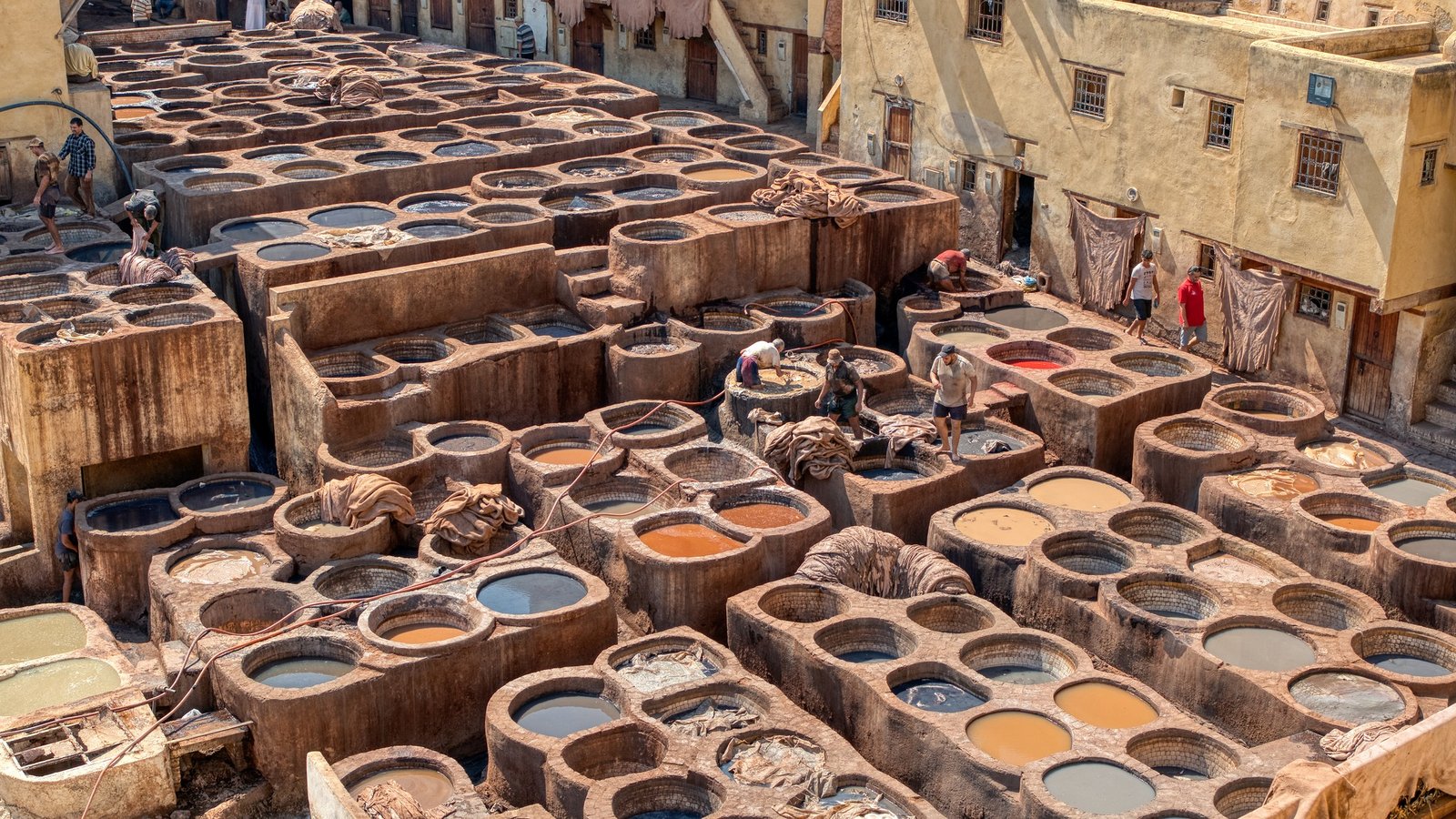
Fes: The Cultural Capital
Morocco’s oldest imperial city, with a UNESCO-listed medina, historic madrasas, and centuries-old tanneries still worked by hand.
Marrakech: Souks & Storytellers
Bustling souks, artisan workshops, and a medina built around centuries of trade between Africa and Europe.

Berber Villages Of The Atlas
A quieter cultural encounter, with real families, real meals, and traditions unchanged for generations.
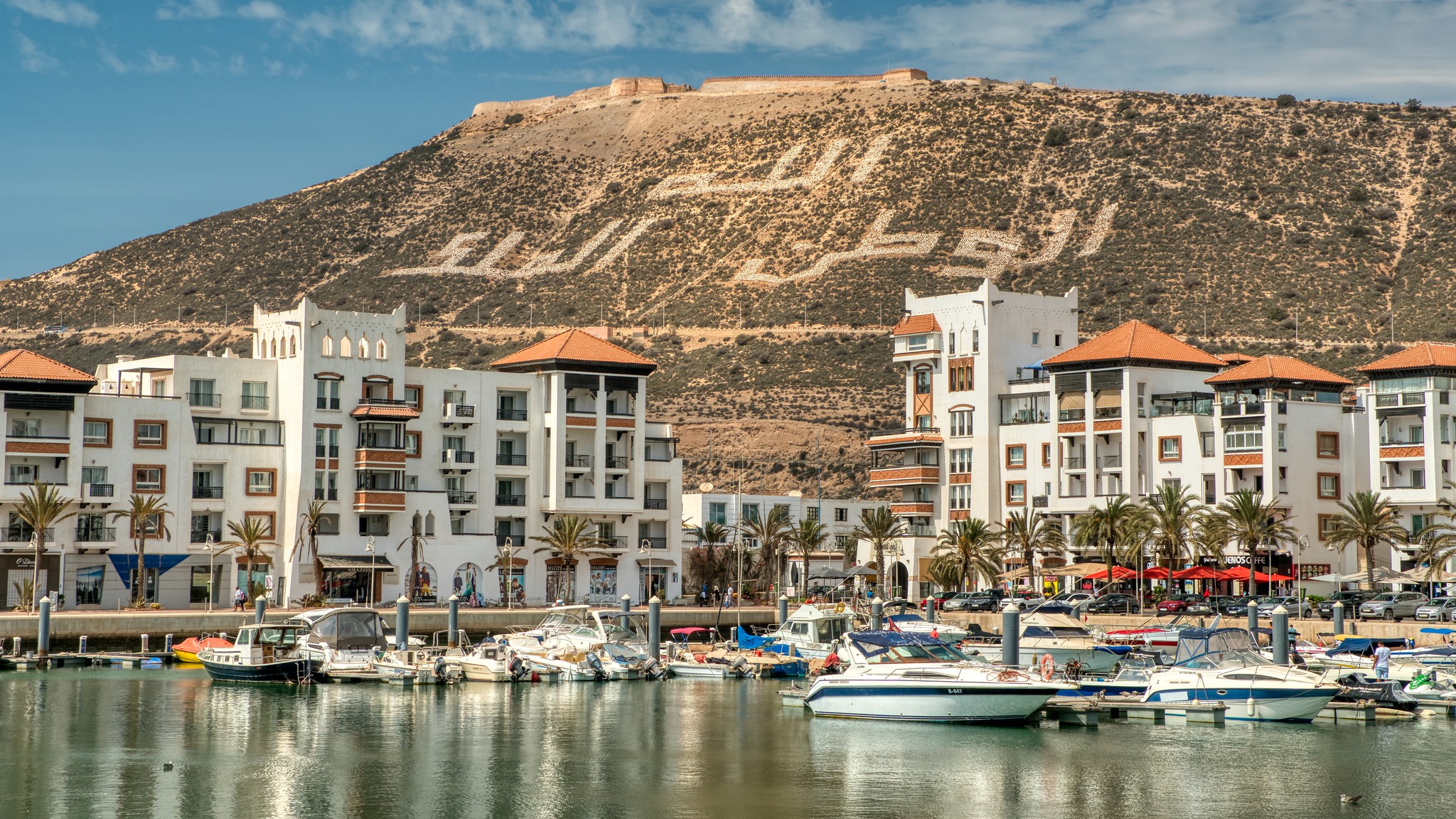
A Culture Tour, Built Around You
Cooking classes, artisan visits, or a slow week in the medinas. Every itinerary is shaped around your interests.
A Living Culture
Not a museum piece, a daily practice
Moroccan culture is not preserved behind glass. Tanneries in Fes still use plant pigments recorded centuries ago. Mountain cooperatives weave patterns that encode tribal lineage. Spice vendors occupy stalls their families have held for generations.
Hospitality sits at the center of it. Offering tea is rarely optional. It is how a stranger becomes, briefly, a guest. That same warmth extends to the table, where meals are shared family-style from a single dish.
A private guide makes the difference between observing this from outside and stepping briefly inside it. That might mean a Berber family’s living room, or a workshop where zellige tiles are still cut by hand.
Let's Plan Your Trip
Culture, Woven Into Every Day
Every tour on this page is a starting point. Share your interests, and Ismail and Mustapha’s team will shape a private cultural journey around them.
Frequently Asked Questions
Understanding Moroccan culture
Ready When You Are
Tell Ismail and Mustapha What Interests You
Cooking, crafts, music, or simply the pace of daily life. Share what draws you to Morocco, and they’ll build a trip around it.