
Private & Guided · Planned Around Light
Morocco Photography Tours: Private Journeys for Photographers
From Sahara sunrise to Chefchaouen’s blue hour, each day is timed around the light, not just the sights.
Quick Answer
Morocco Meander’s photography tours are private trips. Ismail and Mustapha organize each itinerary, and a team of local guides and drivers leads it on the ground. Each trip is timed around light rather than a fixed sightseeing schedule. It covers the Sahara dunes, Chefchaouen, the Atlas Mountains, and Marrakech’s souks. Trips depart from Marrakech, Casablanca, or Tangier and are tailor-made around your own pace and interests.
Why Photographers Choose Us
Morocco, timed to the light
A great Morocco photo isn’t about the destination alone. It’s about being in Marrakech’s souks at the one hour when the light turns gold. Or standing in Chefchaouen before the streets fill with people.
So we build each itinerary around those windows. A guide who knows the light plans the day backward from sunrise or sunset, not forward from a checklist. Camera bags, tripods, and long lenses travel by private vehicle, so gear is never the reason you miss a shot.
Because every trip is private, the schedule can bend. Weather shifts, a passing cloud, or one more hour in a spot that’s working are easy to accommodate. If a location isn’t delivering, we simply move to the next one.
Wherever You’re Shooting From
Photography tours planned around your journey
Getting to Morocco, and adjusting to its light, looks a little different depending on how you travel.
Arriving From Far Away
A private driver waits at arrival, so there’s no confusion after a long flight. The first day is paced gently, with time to rest before the shooting begins in earnest.
A Short Hop From Europe
For shorter, direct routes into Marrakech or Casablanca, jet lag is barely a factor. Sightseeing, and shooting, can begin the very next morning.
Part of a Longer Trip
Since every itinerary is private, Morocco fits easily as one leg of a wider journey. It can slot into a trip through Europe or North Africa, built around your existing dates.
Chasing Different Light
Photographers coming from colder, lower-light climates notice the shift quickly. Morocco’s warm desert light behaves very differently in a lens, especially in the winter months.
A Photographer’s Guide
The best light, by location
This is the kind of detail a guidebook skips, and the kind that changes a photo. Here’s how we time the classic Morocco locations.
Gear & Logistics
What working around your kit actually looks like
Private Transport, Built for Gear
A Mercedes Vito minivan handles city and highway routes, while a Toyota Land Cruiser 4x4 reaches remote desert and mountain viewpoints. Both have room for tripods, cases, and long lenses.
A Schedule That Chases Light
If clouds roll in or a scene isn’t working, the day can shift. Private tours aren’t locked to a group timetable. An extra hour for the right shot is simply an extra hour.
Access to Real Moments
Local guides open doors literally: rooftop viewpoints, family courtyards, and introductions to nomadic communities, always with consent before a portrait is taken.
Drones: Know Before You Go
Drone use in Morocco is tightly regulated and requires prior authorization. Rules can change, so confirm the current requirements ahead of time, and ask your guide what’s realistic for your route.
Good To Know
What’s included
Included
- Private transport by Mercedes Vito or Toyota Land Cruiser
- Daily shoots timed to sunrise and sunset light
- A guide who knows each location’s best vantage points
- Desert camp nights suited to astrophotography
- Introductions for portraits, always with consent first
- Accommodation in riads, guesthouses, or desert camps
- Breakfast daily, with other meals depending on itinerary
Not Included
- International flights
- Travel insurance
- Camera equipment and drone authorization paperwork
- Tipping
- Personal expenses
Where To Begin
Photography itineraries to build from
Every trip here can be shortened, extended, or rebuilt around the locations you want most.
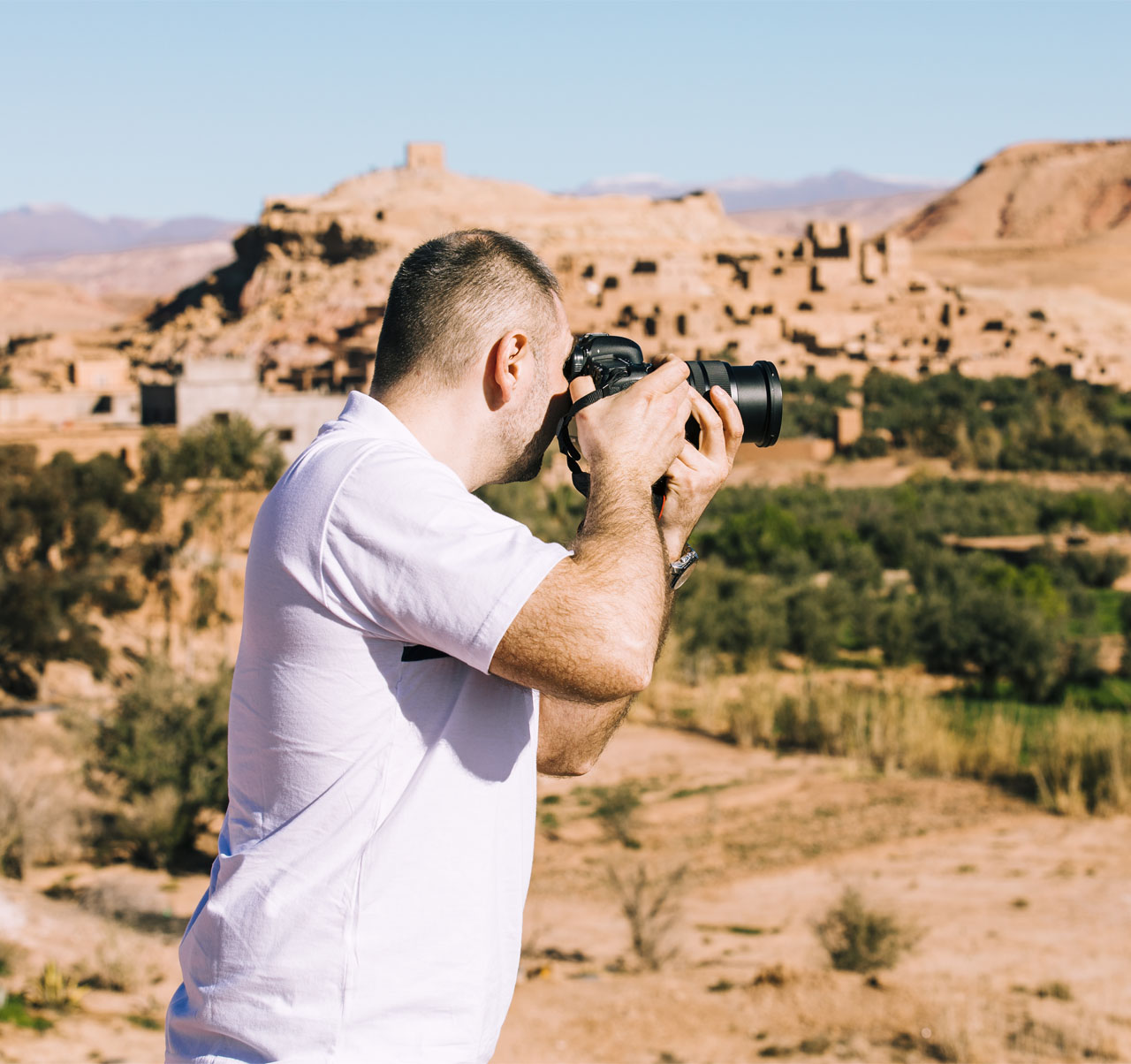
Morocco Photo Tour
A journey through Morocco’s varied terrain and cultural mosaic, built to capture its essence in every frame.

Private Photography Tour
For photographers seeking diverse landscapes and deep cultural immersion, at a pace built around the shot, not the clock.

Southern Morocco Photo Tour
Berber villages, dramatic canyons, and desert light through the southern valleys, guided at a walking pace.
From The Field
A few frames from past tours
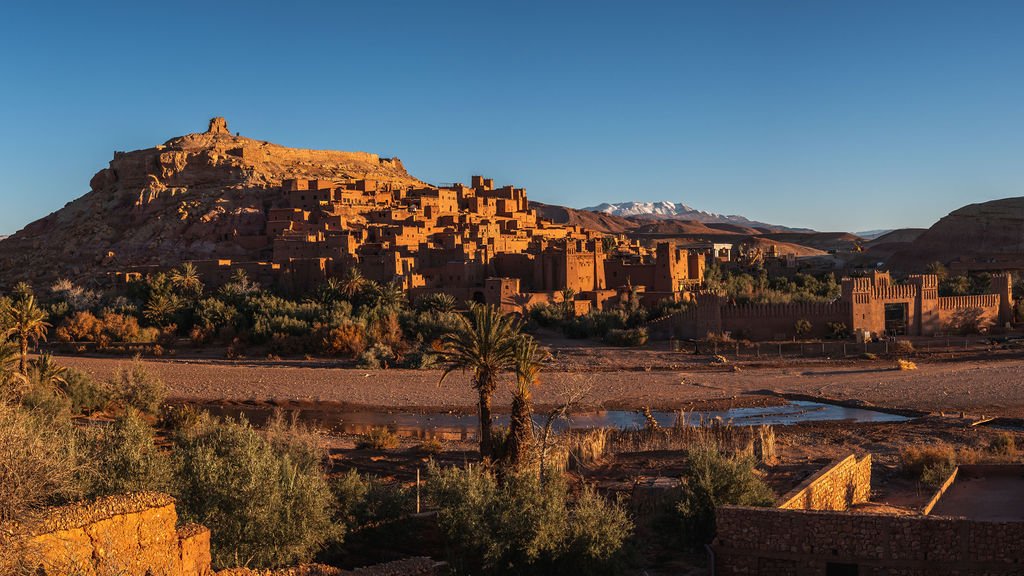


Photographs by Ian Virtue and Morocco Meander guests.
Frequently Asked Questions
Planning your photography trip
Let’s Plan Your Route
Tell Ismail and Mustapha what you want to capture
Every tour on this page is a starting point. Share the locations, light, and pace you have in mind, and they’ll shape a private route around it.