
Geology & Archaeology · Millions Of Years, One Journey
Morocco Geological & Archaeological Tours
Our Morocco Geological and Archaeological Tours uncover Roman ruins, fossil beds, and rock art spanning millions of years. Expert guides read the land like a book.
Quick Answer
Our Morocco Geological and Archaeological Tours combine two stories. There is the deep time of rock and fossil, and the human history layered on top of it. Routes reach the Roman ruins at Volubilis, the fossil workshops of Erfoud, and the medieval streets of Fes. The Sahara Desert reveals fossils and prehistoric rock art. The Atlas Mountains hide kasbahs and ksars tied to old Berber dynasties and trade routes.
Erfoud & Its Fossils
Morocco’s fossil capital, where trilobites, ammonites, and orthoceras are extracted and polished by hand.
Volubilis Roman Ruins
Massive columns and mosaics near Meknes, where time seems to have simply stopped.
Jbel Irhoud
Home to fossils reassigned to early Homo sapiens, dated to roughly 300,000 years ago.
M’Goun Geopark
A UNESCO Global Geopark with dinosaur footprints and rock carvings dating back millions of years.
Where To Begin
Geological and archaeological tours to build your trip from
From a focused 4-day fossil expedition to a fuller 11-day journey through deep time.
Morocco Geological Tour, 11 Days
A fascinating geological tour in Morocco, tracing fossils, mineral riches, and the nation’s ancient past from Casablanca.
4 Days Morocco Geological Tour
Stunning landscapes trace Earth’s evolution over millions of years, from the Atlas passes to Erfoud’s fossil beds.
Two Stories, One Landscape
Where deep time and human history meet
Explore the enigmatic Roman ruins at Volubilis, where columns and mosaics create the illusion that time stopped. Wander Fes’s winding streets, home to historic madrasas and a UNESCO World Heritage medina.
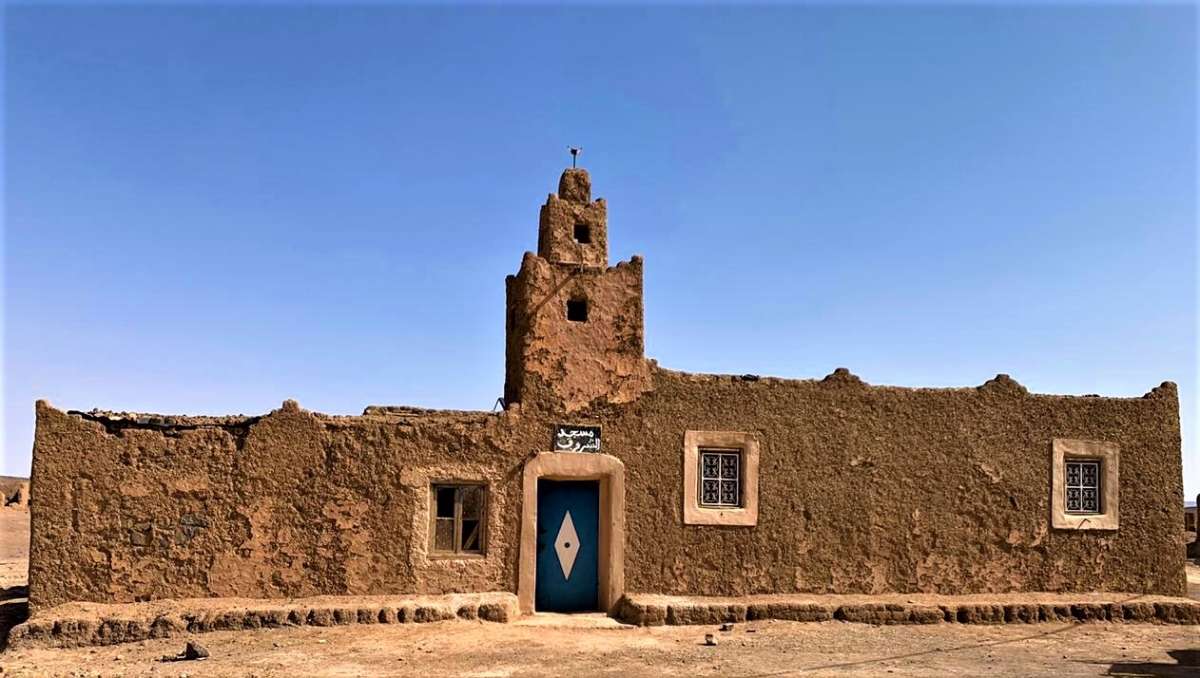
Tour the kasbahs and ksars of the Atlas Mountains. Each stone tells a story of Berber dynasties and old trade routes that once crossed this terrain.
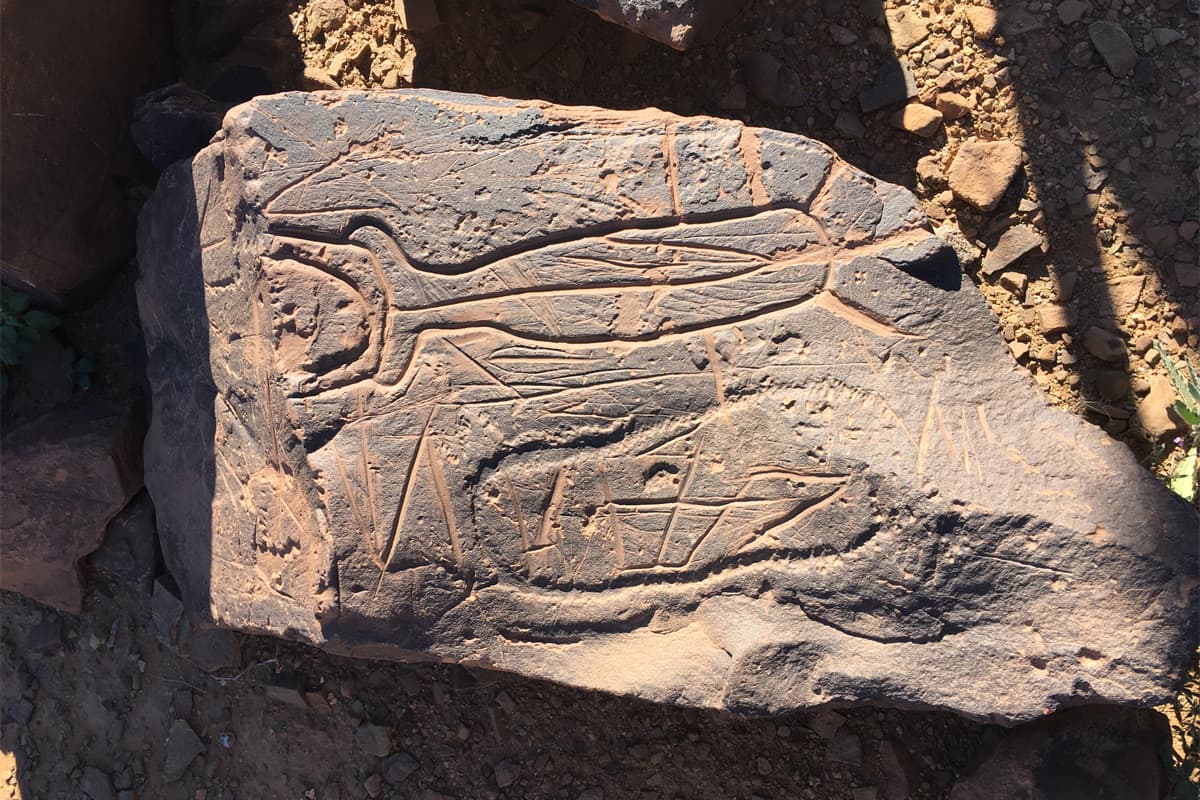
In the Sahara, the record runs deeper still. Erfoud’s workshops cut and polish trilobites, ammonites, and orthoceras pulled from ancient seabeds. Prehistoric rock art near Ait Ouazik shows animals that once roamed a very different, greener Sahara.
Every route is rebuilt around your own dates, whether your interest leans toward the human past or the planet’s.
How You Travel
The right vehicle for the road ahead
Comfort on a geological or archaeological tour depends on matching the vehicle to the terrain.
Mercedes Vito
A private, air-conditioned minivan for city routes and highway travel between sites.
Toyota Land Cruiser 4x4
Built for the Atlas passes and the desert tracks toward Erfoud and the fossil beds.
Geology & Archaeology Guides
Experienced guides explain the science and the history behind every stop.
A Schedule Built Around You
Since the trip is private, stops and detours are never fixed in advance.
Frequently Asked Questions
Planning your geological or archaeological tour
Customizable Itineraries
Tell us what era interests you
Every tour on this page is a starting point, tailored to your preferences, interests, and budget. Fill out our form, and let us craft your journey through Morocco’s past.